 (Image via
When we think about losing weight, our minds often jump to calories in versus calories out, intense workout regimens, and strict dieting. While these factors are certainly important, a growing body of research points to a powerful, often-overlooked player in the weight loss game: your gut. The complex community of microorganisms living in your digestive tract, collectively known as the gut microbiome, plays a surprisingly significant role in how your body manages weight, making it a critical component of any sustainable weight loss strategy.
Understanding this connection is key to moving beyond frustrating cycles of weight loss and regain. It's not just about what you eat, but how your body, and specifically the trillions of bacteria inside you, processes that food. By focusing on the health of your gut, you can create an internal environment that supports long-term weight management, improved energy levels, and overall well-being.
What Is the Gut Microbiome?
Before we dive deeper, let's clarify what we mean by the "gut microbiome." Imagine a bustling city inside your intestines. This city is populated by trillions of microorganisms, including bacteria, fungi, and viruses. In a healthy gut, these inhabitants live in a balanced, symbiotic relationship with you, their host.
This microscopic community is incredibly busy. Its residents help you digest food that your body can't break down on its own, produce essential vitamins like B12 and K, regulate your immune system, and even influence your mood. Each person's microbiome is unique, shaped by genetics, diet, lifestyle, and environment. Think of it as a personal fingerprint. When this community is diverse and balanced, it's called a state of eubiosis. When it's thrown out of balance—with harmful bacteria overpowering the beneficial ones—it's called dysbiosis, a condition linked to numerous health issues, including obesity.
How Gut Health Influences Your Weight
The link between your gut and your weight isn't a simple one-way street. It's a complex network of interactions that can either help or hinder your weight loss efforts. Let's break down the primary ways your gut microbiome influences your body weight.
1. Energy Extraction from Food
Not all calories are created equal, and your gut bacteria have a say in how many you absorb. Two major families of bacteria, Bacteroidetes and Firmicutes, are key players here. Studies have shown that the ratio between these two groups can impact energy harvest. Individuals with a higher proportion of Firmicutes to Bacteroidetes tend to extract more calories from their food.
Essentially, these specific bacteria are extra efficient at breaking down complex carbohydrates and fibers that would otherwise pass through you undigested. While this might sound good, it means more calories are being absorbed into your bloodstream and potentially stored as fat. An imbalance in this ratio could mean that two people eating the exact same meal might absorb a different number of calories from it.
2. Regulation of Appetite and Cravings
Have you ever felt like your cravings have a mind of their own? You might be right, but it may not be your mind. Your gut bacteria communicate with your brain through what is known as the gut-brain axis. They produce compounds, like short-chain fatty acids (SCFAs), that influence the release of appetite-regulating hormones.
For example, when beneficial bacteria ferment fiber in your colon, they produce SCFAs like butyrate, propionate, and acetate. These SCFAs can trigger the release of hormones such as peptide YY (PYY) and glucagon-like peptide-1 (GLP-1). Both of these hormones help you feel full and satisfied after a meal, naturally reducing your overall food intake. When your gut lacks the right bacteria to produce these compounds, you may find yourself feeling hungry more often and struggling with persistent cravings, particularly for sugar and high-fat foods.
3. Inflammation and Metabolism
Chronic low-grade inflammation is a known contributor to weight gain and metabolic dysfunction, including insulin resistance. An unhealthy gut is a major source of this inflammation. The intestinal lining is designed to be a strong barrier, letting nutrients in while keeping harmful substances, like undigested food particles and bacterial toxins, out.
In a state of dysbiosis, this barrier can become "leaky," a condition sometimes called increased intestinal permeability. When this happens, toxins like lipopolysaccharides (LPS), which are found in the outer membrane of certain bacteria, can seep into the bloodstream. Your immune system recognizes these toxins as invaders and launches an inflammatory response. This systemic inflammation can interfere with insulin signaling, making it harder for your cells to use glucose for energy and promoting fat storage, especially around the abdomen.
Practical Steps to Cultivate a Healthy Gut for Weight Loss
The good news is that your gut microbiome is not set in stone. It's dynamic and can be significantly improved through diet and lifestyle changes. By nurturing your beneficial gut bacteria, you can create a powerful internal ally for sustainable weight loss.
1. Prioritize Fiber-Rich Foods
Beneficial gut bacteria thrive on dietary fiber, particularly prebiotic fibers. Prebiotics are non-digestible carbohydrates that act as food for your good gut microbes. Feeding them well helps them multiply and produce those helpful SCFAs we talked about.
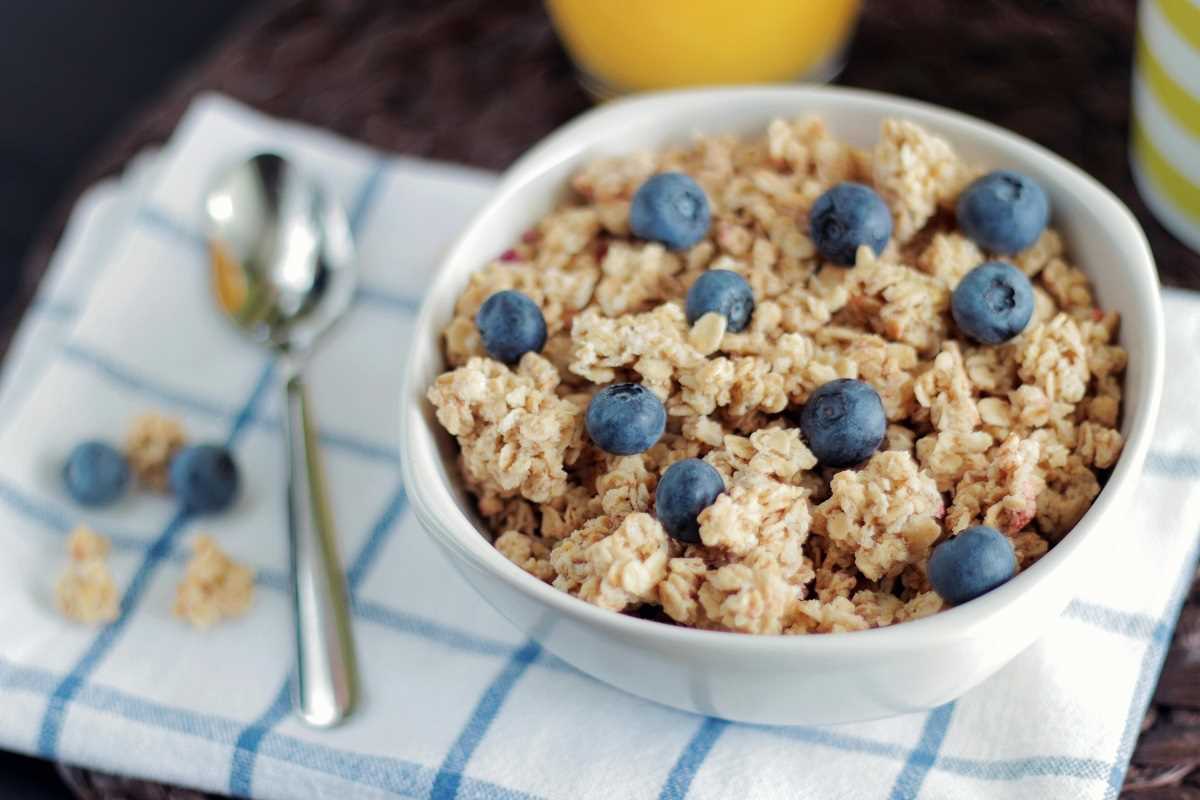
- What to eat: Focus on a wide variety of plant-based foods. Excellent sources of prebiotics include onions, garlic, leeks, asparagus, bananas (especially when slightly green), oats, apples, and Jerusalem artichokes. Aim for at least 25-30 grams of fiber per day.
2. Incorporate Probiotic Foods
Probiotics are live beneficial bacteria that can help restore balance to your gut. While supplements are an option, getting them from food sources is a great way to introduce them into your system.
- What to eat: Fermented foods are packed with probiotics. Include items like yogurt (with live and active cultures), kefir, sauerkraut, kimchi, miso, and tempeh in your diet. Look for unpasteurized versions when possible, as pasteurization kills the live bacteria.
3. Embrace Polyphenols
Polyphenols are natural compounds found in plant foods that act as antioxidants and also benefit your gut. They can inhibit the growth of harmful bacteria while encouraging the growth of beneficial ones.
- What to eat: Colorful fruits and vegetables are your best bet. Think berries, dark grapes, spinach, and broccoli. Other excellent sources include dark chocolate (in moderation), green tea, and olive oil.
4. Limit Processed Foods, Sugar, and Artificial Sweeteners
A diet high in processed foods, refined sugars, and unhealthy fats can promote the growth of less desirable bacteria and contribute to inflammation. Some artificial sweeteners, like sucralose and saccharin, have also been shown to negatively alter the gut microbiome in some individuals, potentially leading to glucose intolerance. Reducing your intake of these items starves the harmful microbes and gives the beneficial ones a chance to flourish.
Beyond Diet: A Holistic Approach
While diet is the cornerstone of gut health, other lifestyle factors play a role. Chronic stress can negatively impact your gut bacteria composition and increase intestinal permeability. Incorporating stress-management techniques like mindfulness, exercise, or yoga can have a positive effect. Additionally, aim for 7-9 hours of quality sleep per night, as poor sleep can disrupt your microbiome.
Focusing on gut health shifts the weight loss narrative from one of deprivation to one of nourishment. Instead of just cutting things out, you are actively adding things in to build a healthier internal ecosystem. This approach is not a quick fix, but a sustainable strategy that supports not only a healthy weight but also improved digestion, a stronger immune system, and better overall health for years to come.